

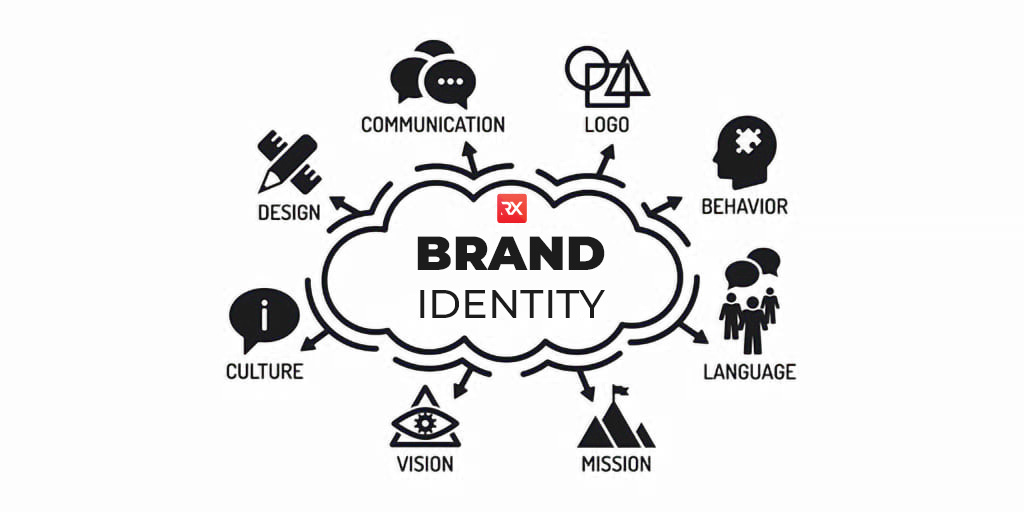
In today’s competitive world, a powerful brand identity is no longer a luxury — it’s a necessity. Whether you’re a startup, a small business, or an established company looking to refresh your presence, your brand identity shapes how people see you, remember you, and trust you. It’s more than a logo or color palette; it’s the complete personality of your business.
In this ultimate guide, you’ll learn what truly makes a strong brand identity and how to build one that stands out and stands the test of time.,
Designers are embracing bold, expressive typography to capture attention and communicate brand personality effectively. Combined with minimalistic layouts and plenty 1. Understand Your Brand’s Core Purpose
Before you even think about visuals, you must define your brand foundations:
✔ What is your mission?
Why does your business exist?
✔ What is your vision?
Where are you going, and what future are you building?
✔ What are your values?
What principles guide your decisions and culture?
✔ What makes you different?
Your unique value proposition (UVP) is what sets you apart in the market.
A strong brand identity starts with clarity. If you don’t understand what your brand represents, your audience won’t either.
2. Know Your Target Audience Inside Out
You can’t build a meaningful brand without understanding the people you’re speaking to.
Ask yourself:
- Who are they?
- What do they care about?
- What problems are they trying to solve?
- What do they value emotionally and practically?
A powerful brand identity connects emotionally — not just visually — with its audience.
3. Develop a Distinctive Brand Personality
Every brand has a voice and personality. Is yours playful? Professional? Bold? Elegant? Friendly? Luxurious?
Your brand personality influences:
- Tone of voice
- Social media style
- Customer communication
- Visual style
- Marketing campaigns
A consistent personality helps your audience feel like they know your brand on a personal level.
4. Craft a Memorable Brand Name & Tagline
Your name and tagline should:
- Be easy to pronounce
- Be easy to remember
- Reflect your industry or values
- Be unique enough to stand apart
- Be available for domain and trademark checks
A great tagline captures your message in just a few words — simple, powerful, and emotionally resonant.
5. Design a Strong Visual Identity
This is where your brand truly starts to take shape visually.
Key components include:
✔ Logo
Your logo is the symbol of your brand — simple, versatile, and instantly recognizable.
✔ Color Palette
Colors influence emotions. Choose 3–5 core colors that represent your personality and appeal to your audience.
✔ Typography
Fonts tell a story. Professional? Modern? Playful? Choose consistent fonts for headings, body text, and accents.
✔ Imagery Style
Decide what your photos, graphics, and illustrations should look and feel like.
✔ Brand Layout & Design System
Spacing, icons, patterns, and graphic elements all contribute to the visual language of your brand.
6. Create a Consistent Brand Voice
Your brand voice is how you speak to your audience — across every platform.
Your voice should be:
- Consistent
- Authentic
- Audience-focused
- Distinct
- Emotionally aligned with your brand
This applies to:
- Social media posts
- Website copy
- Customer emails
- Advertisements
- Blogs and marketing content
Your voice is a huge part of your identity — don’t overlook it.
7. Build Your Brand Story
People remember stories more than facts. Your brand story should clearly express:
- Where you started
- The problem you set out to solve
- Your mission
- What makes you the trusted choice
A compelling story builds emotional connection and loyalty.
8. Create a Professional Brand Guide
A brand guide is the “rulebook” for your identity. It ensures consistency across all communication and design.
Your brand guide should include:
- Mission, vision, values
- Brand personality and tone
- Logo variations and usage rules
- Color palette
- Typography
- Photography and imagery guidelines
- Do’s and don’ts
This ensures every designer, writer, or marketer works in harmony with your brand identity.
9. Apply Your Brand Everywhere
A strong brand identity must be visible and consistent across every touchpoint.
This includes:
- Website
- Social media
- Product packaging
- Email communication
- Marketing materials
- Business cards
- Ads
- Signage
- Customer service interactions
Consistency builds recognition — and recognition builds trust.
10. Review, Improve & Stay Relevant
Brand identity is not static. It should evolve as your business grows and consumer preferences shift.
Regularly ask:
- Does our brand still represent who we are?
- Is our message resonating with our audience?
- Are we visually outdated?
- Is our competition shifting?
Great brands adapt while staying true to their core meaning.
FINAL THOUGHTS
Building a powerful brand identity is one of the best investments you can make for long-term growth. It’s how you stand out, attract loyal customers, and create emotional connections that outlive trends.
Take the time to craft your identity with purpose, creativity, and clarity — because the stronger your brand, the stronger your business.
